Does Scheduling Reels on Instagram Affect Reach?
No. Instagram's publishing documentation describes no ranking difference between a Reel posted by hand and one published through its API. The reach drops people blame on a scheduler almost always trace to a cause Instagram documents elsewhere, most often a Reel over three minutes or a media container that expired before it published.
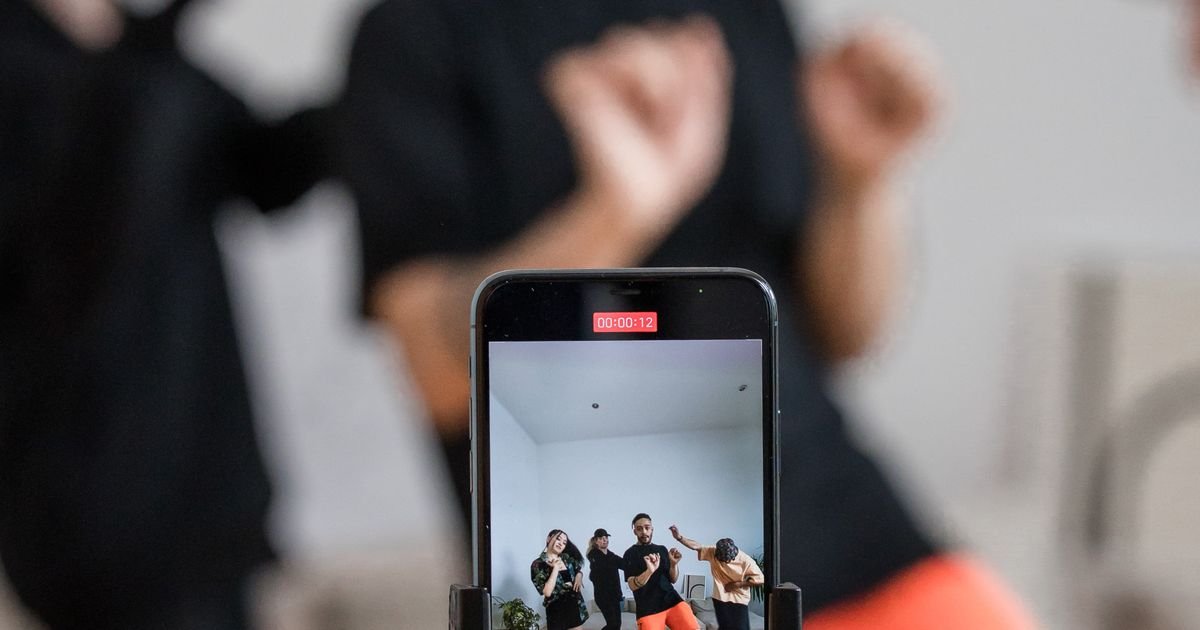
No. Nothing in Instagram’s own publishing documentation describes a ranking difference between a Reel posted by hand and a Reel published through its API, and the drops people blame on their scheduler usually have a cause Instagram documents somewhere else.
That second half is the useful part, so this page spends most of its time there. If you are setting the queue up in the first place, cross-platform publishing covers the mechanics one level up.
Does scheduling Reels on Instagram affect reach? What Instagram documents
Instagram’s Content Publishing API treats Reels as a first-class media type, alongside single images, single videos, Stories and carousels. The documentation is detailed about formats, file ceilings, container behaviour and error codes. It documents no distribution consequence for publishing through it.
That is an absence rather than a denial, and worth stating as one. Instagram has not published a sentence saying API-published Reels rank the same as hand-posted ones. What it has published is a publishing route it maintains, versions and rate-limits, with no accompanying note that using it costs you anything.
The sentence everyone quotes comes from elsewhere. Instagram’s head of product is widely reported as saying scheduled posts are not downranked, and that scheduled and manually posted content enters ranking the same way. The quote reaches you through marketing blogs that cannot agree on when it was said: one dates it to March 2025, another to March 2026, another to August 2026. It is probably true. It is reported, not documented, and those are different things.
The three-minute rule is a real reach cap, and scheduling has nothing to do with it
Instagram’s help centre does make one concrete statement about Reels distribution: Reels over three minutes will not be recommended to new audiences. That is a distribution note rather than a length limit. You can publish a longer Reel, and your followers can watch it. It just stops being served to people who do not follow you.
This is the most specific thing Instagram says about Reels reach, and it applies identically whether the file came off your phone or out of a queue. If your Reels stopped reaching non-followers, check the runtime before you change tools. A scheduler that happens to have been adopted in the same month you started making longer Reels will take the blame for it.
Why a scheduled Reel can look like it flopped
Four documented mechanics account for most of it, and none of them is a ranking penalty.
- Containers expire. Publishing through the API is two steps: build a media container, then publish it. A container that is not published within 24 hours expires. A queue that stalls overnight does not post late, it posts nothing.
- The daily ceiling contradicts itself. Instagram’s content-publishing guide states a limit of 100 API-published posts in a rolling 24-hour period, its carousel section says 50, and the API’s own
content_publishing_limitfield reports a quota of 50. Plan against the lower number. - Containers have a separate cap. The IG User Media reference documents 400 containers per rolling 24 hours, which is the one that breaks a tool pre-building a fortnight of content in a single pass.
- Ratio and size. Reels accept aspect ratios between 0.01:1 and 10:1, with 9:16 recommended, and a 300MB file ceiling. An accepted ratio is not an optimal one: a Reel that renders letterboxed in a full-screen vertical surface loses watch time for reasons that have nothing to do with how it was uploaded.
The first two are worth checking before anything else, because both produce the same symptom as a reach collapse: a near-zero number where you expected a normal one. What Instagram will let you schedule goes through the rest of the format rules.
How to settle it on your own account
Nobody has published an independent, controlled test of this on Instagram, so the only evidence that will convince you is your own. Run an alternating test: one format, one weekday, one hour. Publish through the tool one week and from the app the next, collect eight Reels per arm, and read reach off Instagram’s own insights at 24 hours and seven days. Compare medians, not averages, because one outlier Reel will otherwise decide the result for you.
Sixteen posts is a real commitment, which is why almost nobody does it and why the question stays open. What the reach evidence actually shows sets out the method in full and grades what little published evidence exists. The same question lands differently on the other two video platforms: the same question for TikTok has a documented answer that catches people out, and the same question for YouTube is the one platform that builds scheduling into its own API.
Questions people actually ask
Does Instagram penalise scheduled Reels?
Not in anything Instagram documents. The Content Publishing API describes Reel formats, ceilings and error codes and says nothing about distribution differing by publishing route. Instagram's head of product is reported as saying scheduled posts are not downranked, but that quote reaches you through marketing blogs that disagree about when it was said. Treat it as reported rather than documented.
Why did my Reels views drop after I started using a scheduler?
Check length, ratio and whether the Reel published at all before blaming the tool. Instagram's help centre says Reels over three minutes will not be recommended to new audiences, which caps reach on its own. API media containers also expire if they are not published within 24 hours, so a stalled queue can leave you with nothing live and no error you ever saw.
Is posting Reels natively better for reach?
There is no documented reach advantage either way. What differs is the artefact rather than the ranking: a Reel assembled in the app and a Reel uploaded as a finished file are not always the same video, and the API accepts aspect ratios from 0.01:1 to 10:1 while recommending 9:16. If a scheduled Reel underperformed, compare the two files first.
How many Reels can I publish through the Instagram API in a day?
Instagram's documentation disagrees with itself, so plan against the lower figure. The content-publishing guide states 100 API-published posts in a rolling 24-hour period, its carousel section says 50, and the API's own content_publishing_limit field reports a quota of 50. A separate reference documents 400 media containers per rolling 24 hours, which is the cap that breaks bulk pre-building.
Does the time of day you post a Reel change its reach?
Nothing Instagram publishes ranks a Reel by posting time. The plausible mechanism is indirect: a Reel that goes live while your audience is asleep collects fewer early viewers, and early engagement is what the ranking system has to work with. That argument is repeated widely by marketing blogs and is not documented by Instagram, so hold it loosely.
Read next
Automate YouTube Shorts
The upload quota is what actually breaks Shorts automation. Here is how to work within it.
Automate Pinterest Pinning
Approved-partner scheduling, board targeting, and what Pinterest documents about pin volume.
How to Automate TikTok Posting
Which tools genuinely auto-publish to TikTok rather than reminding you, the account type vendors want, and the per-day caps that break a…