Does Scheduling YouTube Videos Affect Views?
No. YouTube builds scheduling into its own upload API through status.publishAt, so a scheduled video is the documented pattern rather than a workaround, and nothing in its documentation ranks a video by how it was published. What costs views is getting the mechanics wrong: a past timestamp publishes immediately, and a padded aspect ratio quietly moves a video out of the Shorts feed.
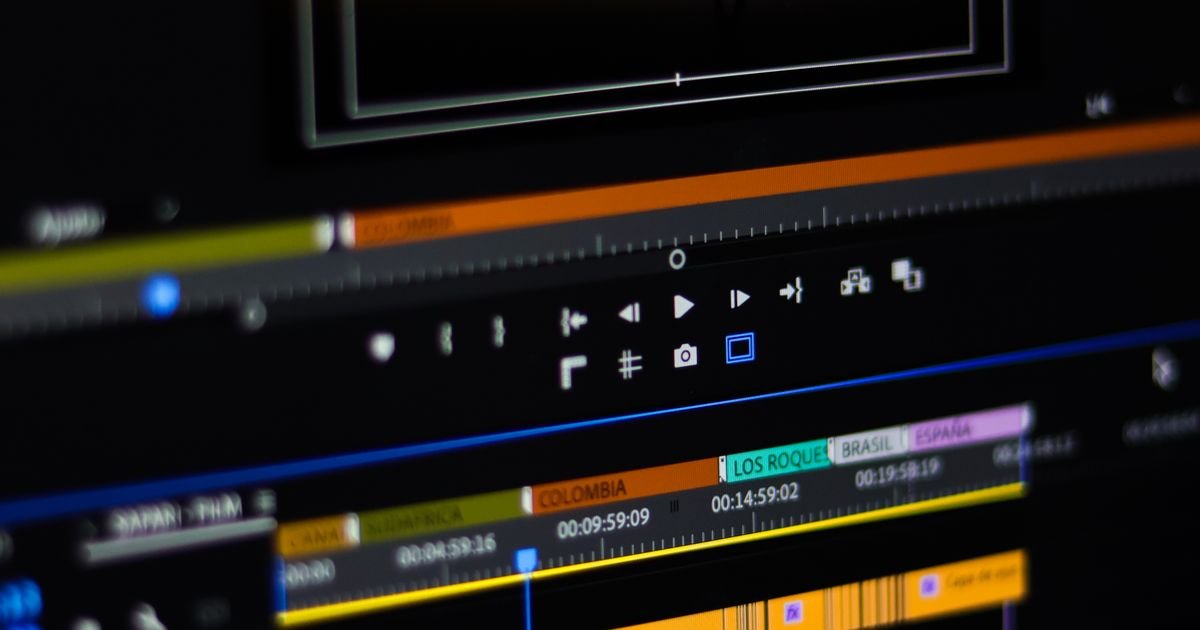
No. YouTube builds scheduling into its own upload API, which makes a scheduled video the documented pattern rather than a workaround, and nothing in its documentation ranks a video by how it was published.
What does cost you views is getting the scheduling mechanics wrong, and YouTube documents those failure modes precisely enough to check. If you are building the pipeline, cross-platform publishing covers it one level up.
Does scheduling YouTube videos affect views? YouTube built scheduling into the API
The videos.insert endpoint accepts status.publishAt alongside status.privacyStatus. Upload now, publish later is not a trick a tool plays on YouTube. It is the route YouTube documents, maintains and returns errors for.
YouTube also goes further than the other platforms on the question people are actually worried about. Its videos resource states that videos uploaded from unverified API projects are not restricted to private viewing mode, and that privacyStatus defaults to public when you do not set it. That is an explicit negative rather than a silence: the failure mode where your scheduler quietly publishes to nobody does not exist here. It is the exact inverse of TikTok, and the riskier default of the two, because an unverified YouTube project publishes publicly by default.
The scheduling mistakes that do cost views
- A past timestamp publishes immediately. Get the timezone wrong and the video you scheduled for Tuesday morning goes live the moment the call lands. API quotas reset at midnight Pacific Time, which is the clock the platform thinks in, and it is rarely yours.
publishAtonly works on a video that is private and has never been published. You cannot schedule something already live, and a tool that tries will fail rather than reschedule.- Duplicates get rejected.
rejectionReasonincludesduplicate, so a repurposing queue that re-uploads the same file lands on a rejection, not a ranking penalty. - Descriptions are capped in bytes, not characters. The title limit is 100 characters and the description limit is 5,000 bytes. Emoji and accented characters cost more than one byte each, so a tool counting characters can truncate the end of your description, which is where the links usually are.
One more is worth its own paragraph, because it changes which surface your video competes in rather than how it performs in one. The API exposes no field that declares a video a Short: there is no Shorts resource and nothing the caller sets to mark one. Classification is implicit, and YouTube’s help centre describes Shorts as square or vertical and up to three minutes, with a wider aspect ratio such as 16:9 the documented way to avoid being classified as a Short. A tool that pads your vertical video to 16:9 has quietly moved it out of the Shorts feed, and that will read as a reach collapse on a channel that lives there.
Each of these produces a video that underperformed for a reason you can read in an error field. None of them is distribution.
The quota ceiling that breaks a Shorts schedule
There are two separate daily ceilings, and YouTube’s error reference explicitly warns against conflating them. The API project quota allocates 100 videos.insert calls a day in their own bucket, separate from the 10,000 units a day that cover the other endpoints. Distinct from that, a channel upload limit exists as a YouTube platform restriction, and its figure is published nowhere, so treat any specific number you are quoted as a guess.
A hundred uploads a day sounds generous until a client-wide tool is sharing that allocation. The upload quota that breaks Shorts workflows works through what that means for volume publishing.
What actually changes early views
Publishing time is the one variable worth taking seriously, and it is worth being honest about how well established it is. YouTube does not document posting time as a ranking input. The argument marketing blogs make is indirect: a video that goes live at three in the morning in your audience’s timezone collects fewer early viewers, and early engagement is what the recommendation system has to work with. That is plausible and it is not documented, so hold it loosely rather than restructuring your week around it.
No independent, controlled test of scheduled against manual publishing on YouTube has been published. Run your own: one format, one weekday, one hour, scheduled one week and uploaded by hand the next, eight videos per arm, medians compared at 48 hours and 28 days. What the reach evidence actually shows sets out the method and grades the published evidence. The same question has a sharper answer on the short-form platforms: the same question for Instagram Reels turns on a three-minute recommendation cap, and the same question for TikTok turns on whether your app has been audited at all.
Questions people actually ask
Do scheduled YouTube videos get fewer views?
Not for being scheduled. YouTube's upload endpoint accepts a publishAt timestamp, so scheduling is the documented pattern rather than a workaround, and no YouTube documentation describes ranking a video by how it was published. Where scheduled videos do underperform, the cause is usually a mechanical one you can read in an error field or a setting you did not intend.
Does the time you publish a YouTube video matter?
YouTube does not document posting time as a ranking input. The indirect argument is that a video going live while your audience is asleep collects fewer early viewers, and early engagement is what the recommendation system works with. That is plausible but undocumented, and widely repeated by marketing blogs rather than tested, so hold it loosely.
Can you schedule a YouTube video that is already public?
No. The publishAt field is settable only while a video is private and has never been published, so a tool trying to reschedule a live video will fail rather than move it. Set the schedule at upload time. A timestamp in the past publishes the video immediately, which is the most common way a scheduled slot gets missed.
Will a scheduler stop my video being a Short?
It can, and this is the one real risk. The API exposes no field that declares a video a Short, so classification is implicit. YouTube's help centre describes Shorts as square or vertical up to three minutes, and names a wider ratio such as 16:9 as the way to avoid Shorts classification. A tool that pads your vertical file has moved it out of that feed.
How many videos can you upload through the YouTube API per day?
The default API project allocation is 100 videos.insert calls a day, in their own quota bucket, separate from the 10,000 units a day covering other endpoints. A channel upload limit also exists as a platform restriction, and YouTube publishes no figure for it. Its error reference warns explicitly that the two ceilings are separate.
Read next
How to Automate Facebook Pages and Groups
Personal profiles cannot be scheduled at all. Here is the compliant route for a Page, why Groups have no documented one, and…

Automate Pinterest Pinning
Approved-partner scheduling, board targeting, and what Pinterest documents about pin volume.

Automate Instagram Posts, Reels and Stories
What Instagram genuinely auto-publishes, the account type it needs, and which tools quietly just send you a reminder instead.